October, 10
2026
The walls start talking even before they start cracking. The tiny bubble near the windowsill, the patchy white line under the eaves, the hairline crack on the door frame, these subtle signs have a story to tell. Most people ignore them till it’s too late, and then the mad rush starts. Being able to recognize such signs is an asset that can save a lot of money, time, and frustration. It gives you the advantage of knowing what actually requires repair. With this knowledge, you can assess any estimate of exterior home painting costs.
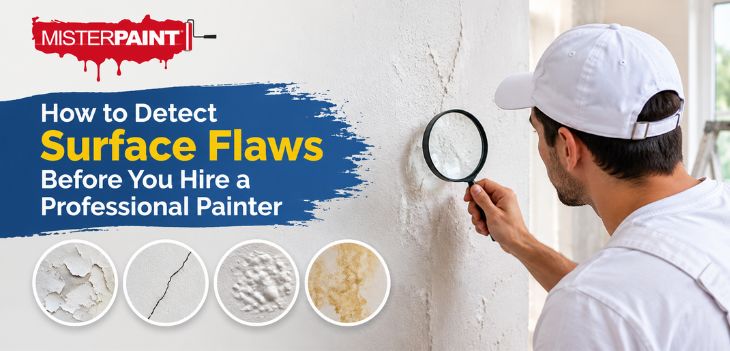
The paint will cover it, but it won’t fix it. Before you hire the professional, have your exterior walls inspected for any peeling, blisters, and flaking. Test for any chalking, cracking, and soft spots using a screwdriver to see how much rotting has taken place underneath the surface. Look out for mold as well as water marks. Close up any small holes and sand down any rough spots.
Before engaging a painter, check for cracks on the surface, peeling paint, dampness, holes, and rough spots. Early identification of such problems will help you prepare the surface properly before painting.
Begin by examining the walls and the ceiling. Minor hairline cracks will easily go unnoticed, while bigger cracks might indicate some underlying problem. Highlight all the cracks found for inspection before starting the painting process.
After identifying surface defects, discuss these issues with your painter prior to commencing work. The professional will let you know what kind of repairs need to be done, what sort of preparations will be required, and how this will affect your project. Mister Paint, for instance, can conduct an assessment prior to painting the surface.
The presence of brown spots or dark patches is an indication that the area is wet. Painting over a wet surface will be a temporary measure that will solve nothing since the underlying cause needs to be found out.
Small nail holes, screw holes, dents left by furniture, and accidental hits may lead to some holes on the wall surface. They stand out even more after painting due to strong lighting. It is better to fill them before painting.
Rub the older painted surface gently using your hands. If you find paint or powder falling off easily, there is a chance that the surface is chalky or poor. Such surfaces normally require cleaning and preparation before painting.
If there are multiple layers of old paint on the wall, find out if they are securely fastened. If not, they could show signs like bubbling or peeling. A painter will be able to tell how the surface should be prepared for painting.
Sometimes natural daylight will highlight issues that cannot be seen under normal lighting conditions in the room. Just shine a flashlight along the wall from the side to detect any imperfections in the form of bumps, scratches, dents, and uneven surfaces.
Inspecting cracks, dampness, peeling paint, holes, and uneven surfaces before painting helps avoid nasty surprises. An inspection of the surface will assist you in making the necessary preparations for better painting results.